 ProNexus Admin
In-House vs. Outsourced Accounting: Key Considerations
 ProNexus Admin : Feb 5, 2026, 7:00:00 AM
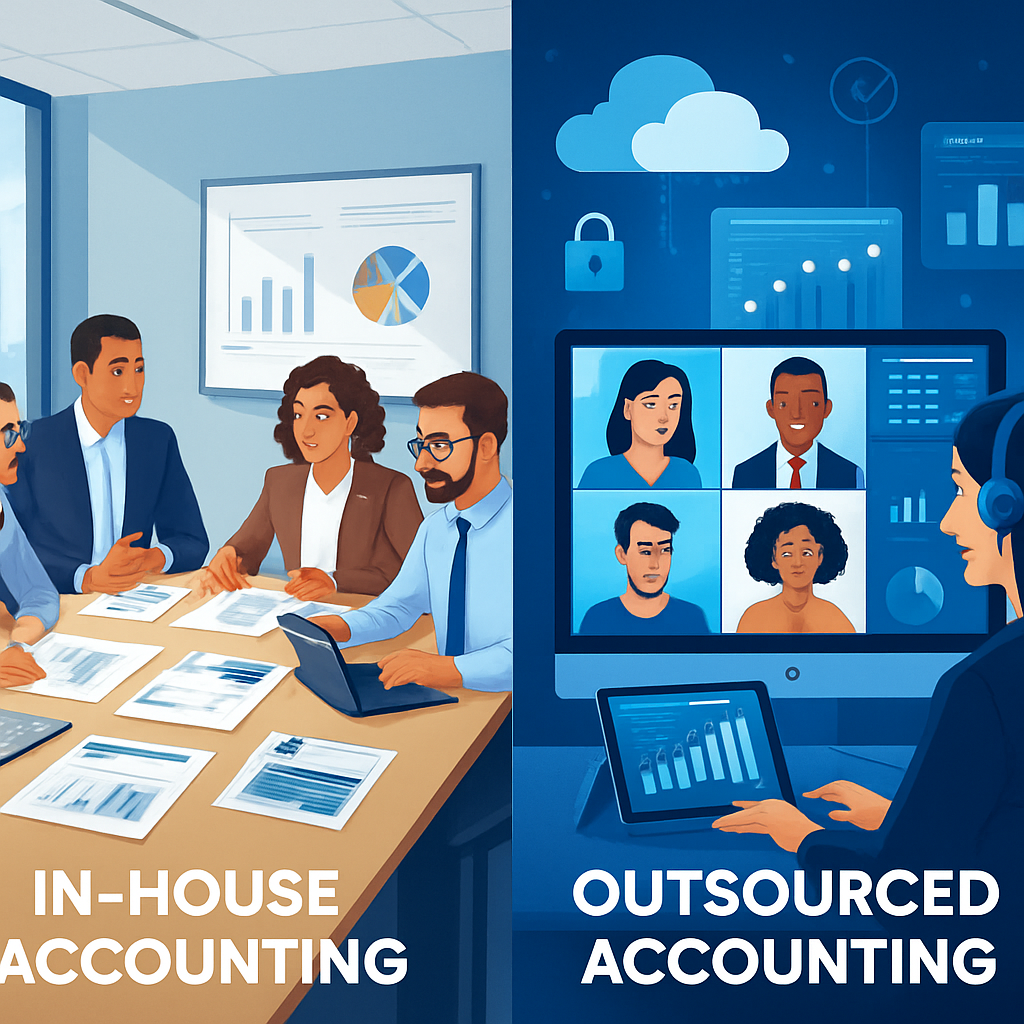
Should your growing company keep accounting in-house or outsource it? Explore the pros, cons, and key considerations to make the best decision.

The first quarter often sets the tone for the rest of the year, making it a critical time to review your accounting processes. Unfortunately, many businesses discover internal control gaps during Q1 audits or financial reviews. These weaknesses can lead to compliance issues, financial inaccuracies, and even fraud if left unaddressed.
Here are the most common accounting control gaps identified in Q1—and how to fix them:
One of the most frequent issues is having a single person responsible for multiple financial tasks, such as approving payments and reconciling accounts. This creates opportunities for errors and fraud.
Solution: Implement clear role separation or use outsourced accounting services to add layers of oversight.
Missing or incomplete documentation for transactions is a major compliance risk. Without proper records, audits become challenging and errors go undetected.
Solution: Establish strict documentation policies and leverage accounting software that maintains detailed audit trails.
Allowing too many employees unrestricted access to financial systems increases the risk of unauthorized transactions.
Solution: Limit access based on job roles and regularly review permissions.
When reconciliations aren’t performed regularly, discrepancies can accumulate, making them harder to resolve later.
Solution: Schedule monthly reconciliations and automate where possible.
Manual data entry and spreadsheet-based accounting are prone to errors and inefficiencies.
Solution: Invest in modern accounting software or partner with an outsourced team that uses advanced technology.
Businesses often fail to keep up with changing tax laws and regulatory requirements, leading to compliance gaps.
Solution: Assign responsibility for compliance monitoring or outsource to experts who stay current with regulations.
Control gaps can lead to financial misstatements, regulatory penalties, and reputational damage. Identifying and addressing these issues early in the year helps ensure accurate reporting and reduces risk.
Outsourced accounting teams bring expertise, technology, and best practices to strengthen internal controls. They help businesses implement segregation of duties, automate processes, and maintain compliance. All without the cost of expanding an internal team.
Q1 is the perfect time to review your accounting controls and close any gaps before they become costly problems. By taking proactive steps, or partnering with an outsourced accounting provider, you can protect your business and set the stage for a successful year.
Learn more at outsourced accounting.

 ProNexus Admin : Feb 5, 2026, 7:00:00 AM
Should your growing company keep accounting in-house or outsource it? Explore the pros, cons, and key considerations to make the best decision.
 ProNexus Admin : Feb 17, 2026, 9:14:59 AM
Why internal controls are essential for small and mid-sized businesses? Discover how they prevent fraud, ensure compliance, and strengthen financial...
 ProNexus Admin : Feb 10, 2026, 6:45:00 AM
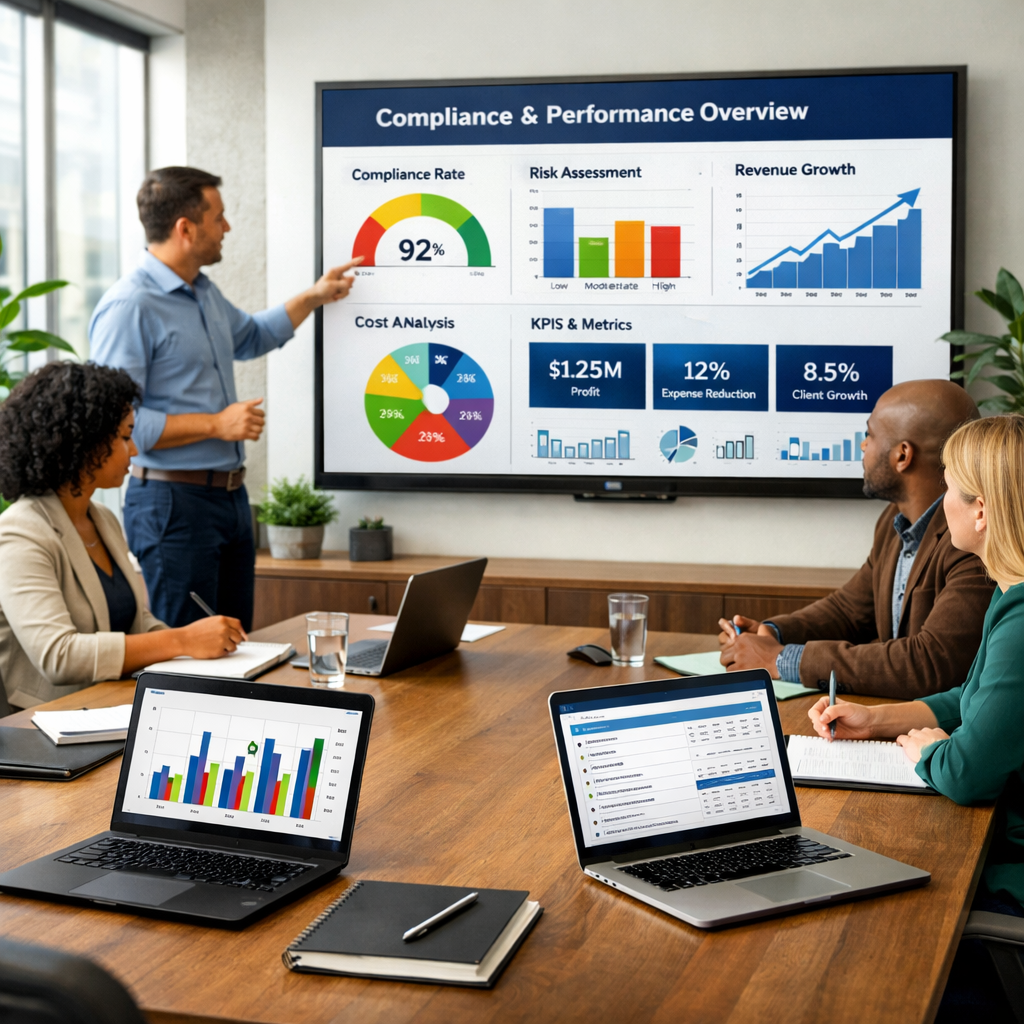
Discover how outsourced accounting services ensure compliance and accurate reporting, leveraging expertise, technology, and scalable solutions for...